
Seasonal travel · Bilig Editorial
8 Cities to Consider for New Year’s Eve 2027 — What to Book and What to Check
Eight different ways to welcome 2027, with practical booking decisions, dated sources and a clear distinction between confirmed programmes and details still to check.
In this guide
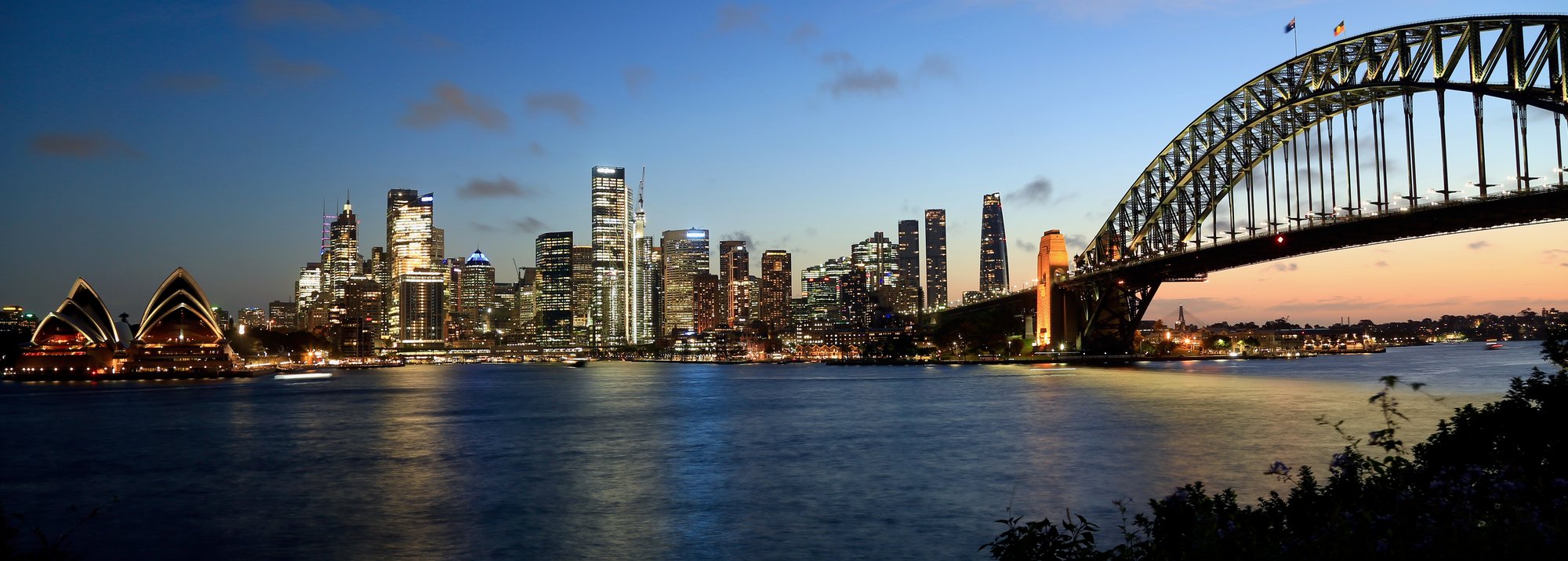
New Year’s Eve is easier to enjoy when you choose the kind of evening first: a harbour picnic, a long outdoor countdown, a booked dinner or a first visit to a shrine. These eight cities offer different ways to welcome 2027. None needs to be treated as a competition for the biggest fireworks display.
This guide covers the night of 31 December 2026 into 1 January 2027. Key event pages were rechecked on 26 October 2026. Some organisers have published dated programmes; others still show last season’s information. The distinction matters when you are buying flights or paying for a room you cannot cancel. The suggestions below are planning advice, not promises of availability.
1. Sydney: choose a harbour spot, not just a harbour hotel
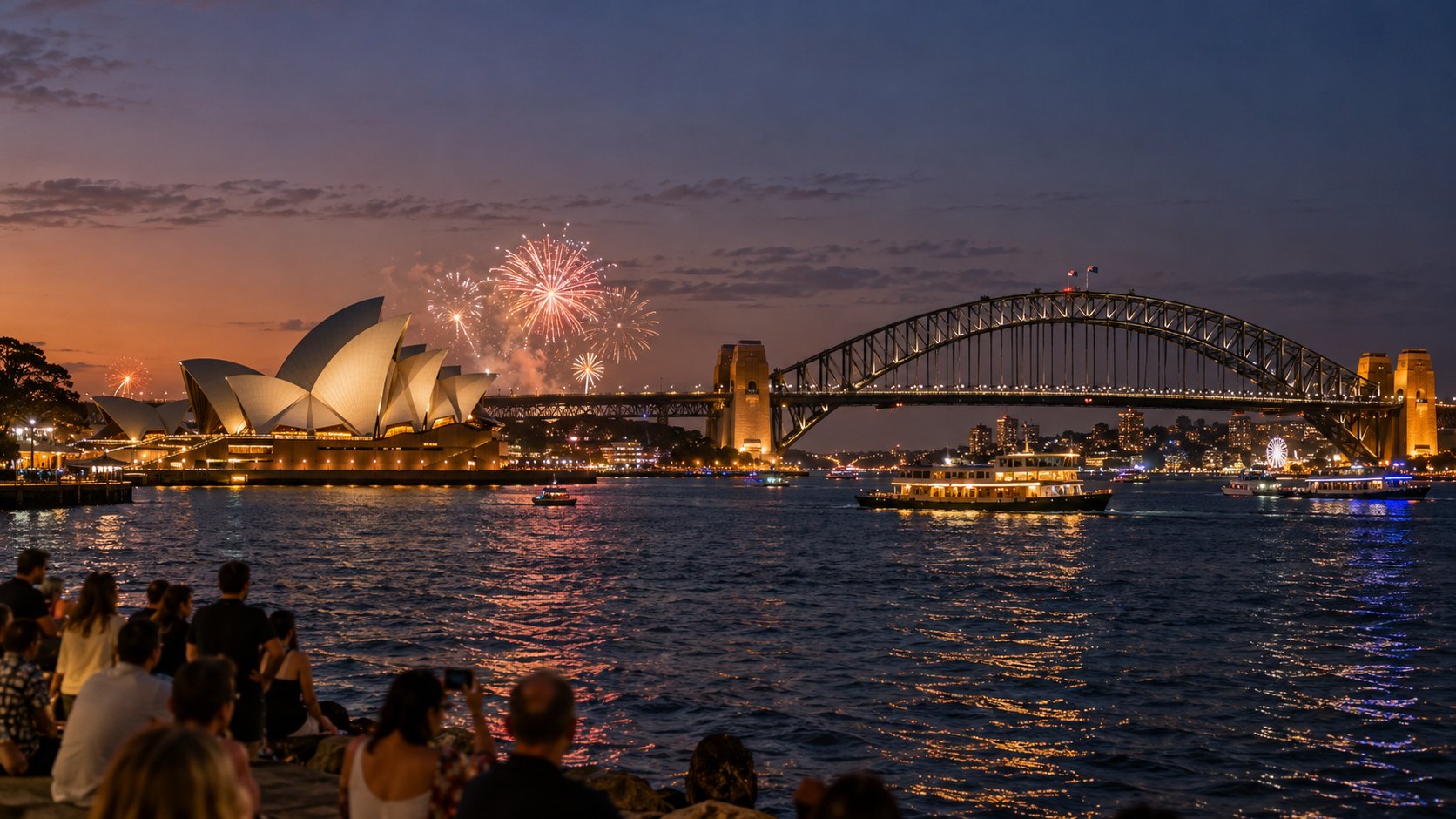
Sydney’s harbour is the centrepiece, but there is no single set of rules for every shoreline view. North Sydney Council’s 2026 information distinguishes free areas, including Upper Bradfield Park, Lavender Bay and Cremorne Point, from paid areas at Lower Bradfield Park and Blues Point. Opening times, facilities and access arrangements vary. Start with the exact park you want, then check its current listing rather than assuming the whole waterfront works the same way.
For a relaxed plan, compare a free picnic-style evening with a reserved ticket before committing to accommodation. Check toilets, step-free access, permitted food and what happens if you leave after a site fills. A room described as “near the harbour” does not automatically include event access or a clear fireworks view. Work out the journey home from your chosen bank of the harbour.
2. New York: decide whether the street experience suits you
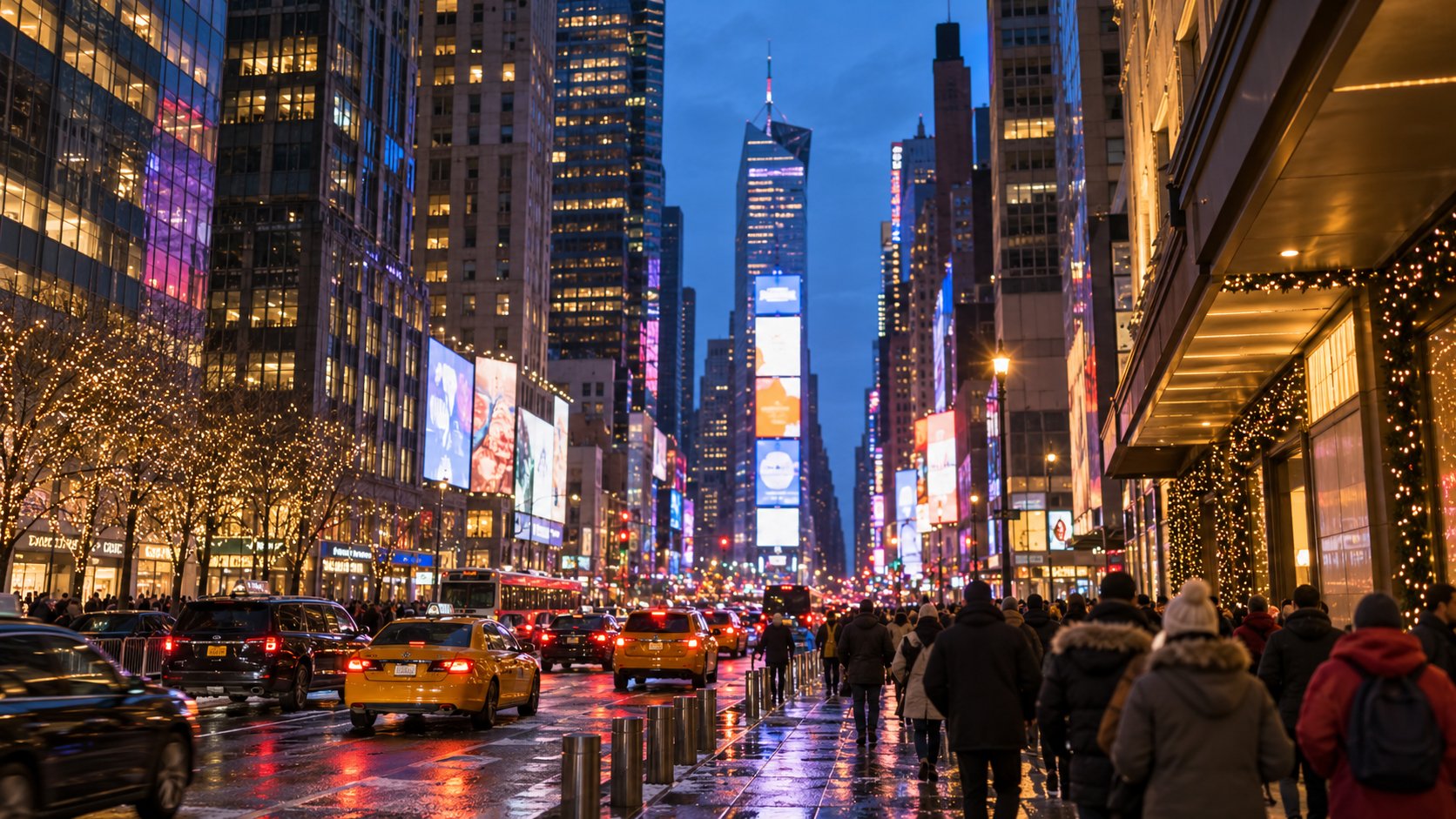
The Times Square Ball Drop is an outdoor waiting experience as much as a midnight moment. The Alliance’s FAQ describes annual public viewing as free and first come, first served, with no public viewing spaces for sale. It also warns about practical limitations such as toilets and leaving the viewing area. Those conditions deserve more attention than a countdown photograph when deciding whether to bring children or anyone who needs frequent breaks.
The page mixes references to older years, so its performance list, entry times and street access points are not a verified 2027 operating plan. Recheck the organiser and transport updates closer to departure. If you prefer dinner or a hotel party, ask exactly what view is included and how guests enter through the controlled area. A paid reservation and a view of the Ball are different things. For neighbourhoods beyond Times Square, use our New York city guide.
3. London: book the viewing area before shaping the evening
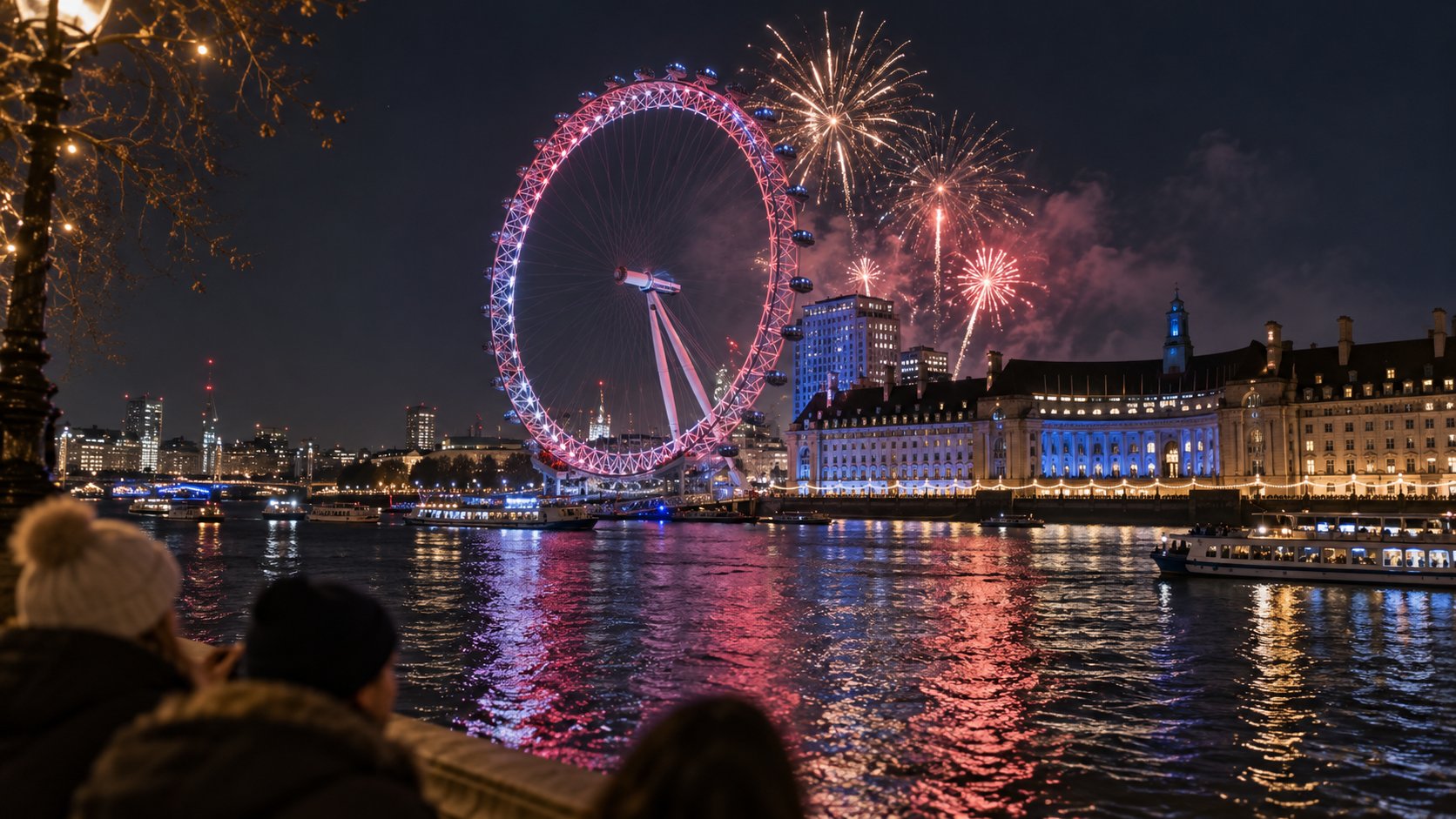
London City Hall has announced the ticketed celebration for 31 December 2026. Visitors cannot enter the official fireworks viewing areas without a ticket, and Ticketmaster is the official seller linked by City Hall. For a group, the crucial detail is the viewing area: everyone needs the same one because movement between areas is not allowed during the event. Choose the area together before anybody buys.
Then build dinner and arrival plans around that ticket’s entrance, rather than around the closest-looking bridge on a map. If tickets are unavailable, choose a separate evening instead of approaching the controlled area hoping for admission. Leave time to read the final transport information and agree a meeting point if the group becomes separated. A later departure can be more practical than rushing straight from dinner to a gate. For the journey back, start with our London transport guide and recheck the operator’s holiday timetable.
4. Dubai: separate a venue package from the public spectacle
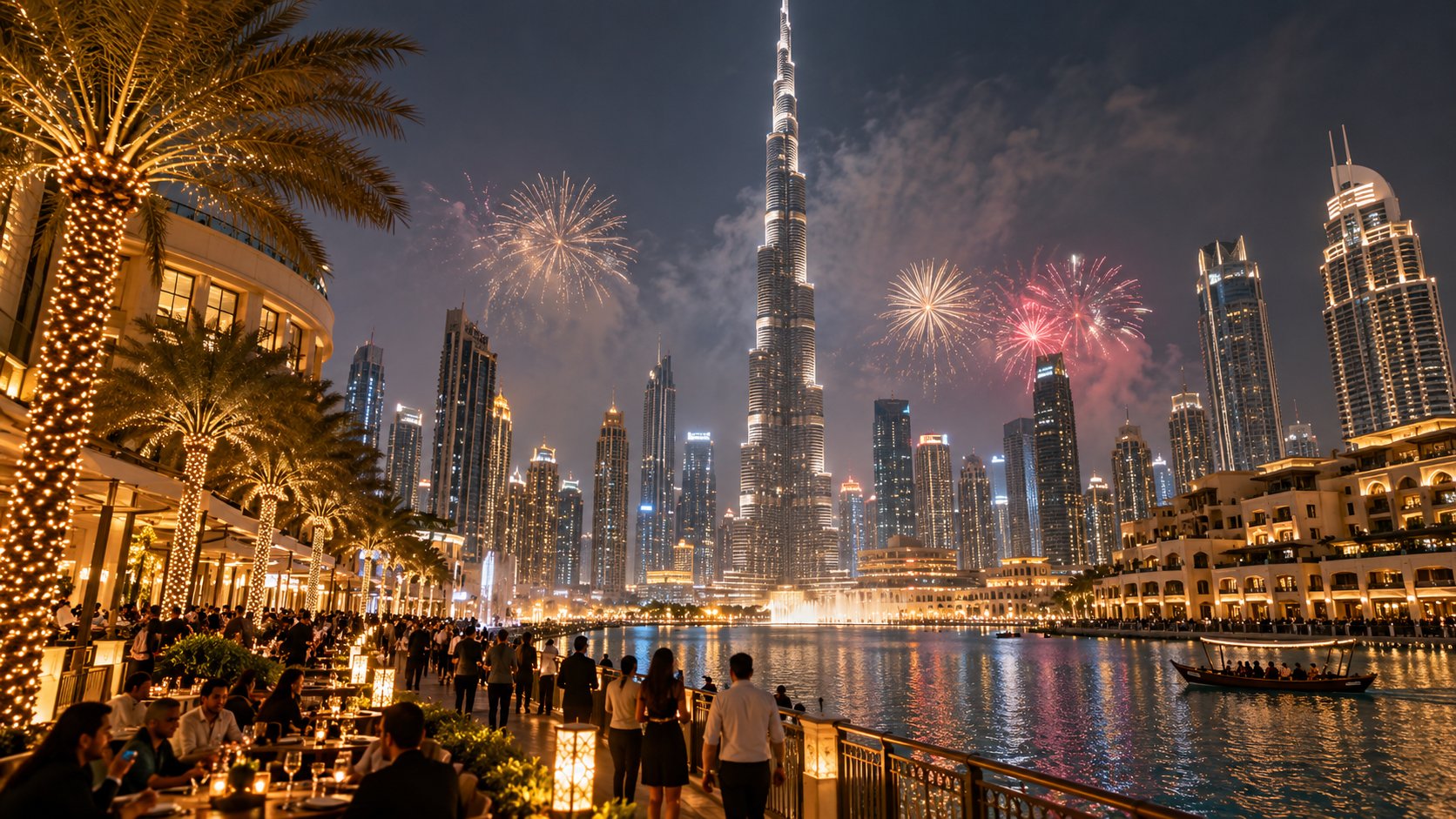
Dubai offers very different New Year bookings, so compare what is actually being sold. Visit Dubai already lists Midnight Sparkle at Emirates Golf Club on 31 December 2026. That is a dated gala option; it is not a ticket for Downtown Dubai. Meanwhile, the Emaar page checked for this guide still describes welcoming 2026. Its previous-season timings and access information should not be copied into a 2027 itinerary.
Before paying for any dinner, rooftop or cruise, ask for the precise location, the view included, seating arrangements and cancellation terms. If seeing Burj Khalifa is essential, obtain a clear answer about that sightline rather than relying on a skyline photograph. Keep the public programme and transport plan as items to reconfirm. A venue can offer a complete evening without being part of the main Downtown celebration. Use our Dubai city guide to plan the rest of your stay beyond the countdown.
5. Rio de Janeiro: keep the beach and private parties separate
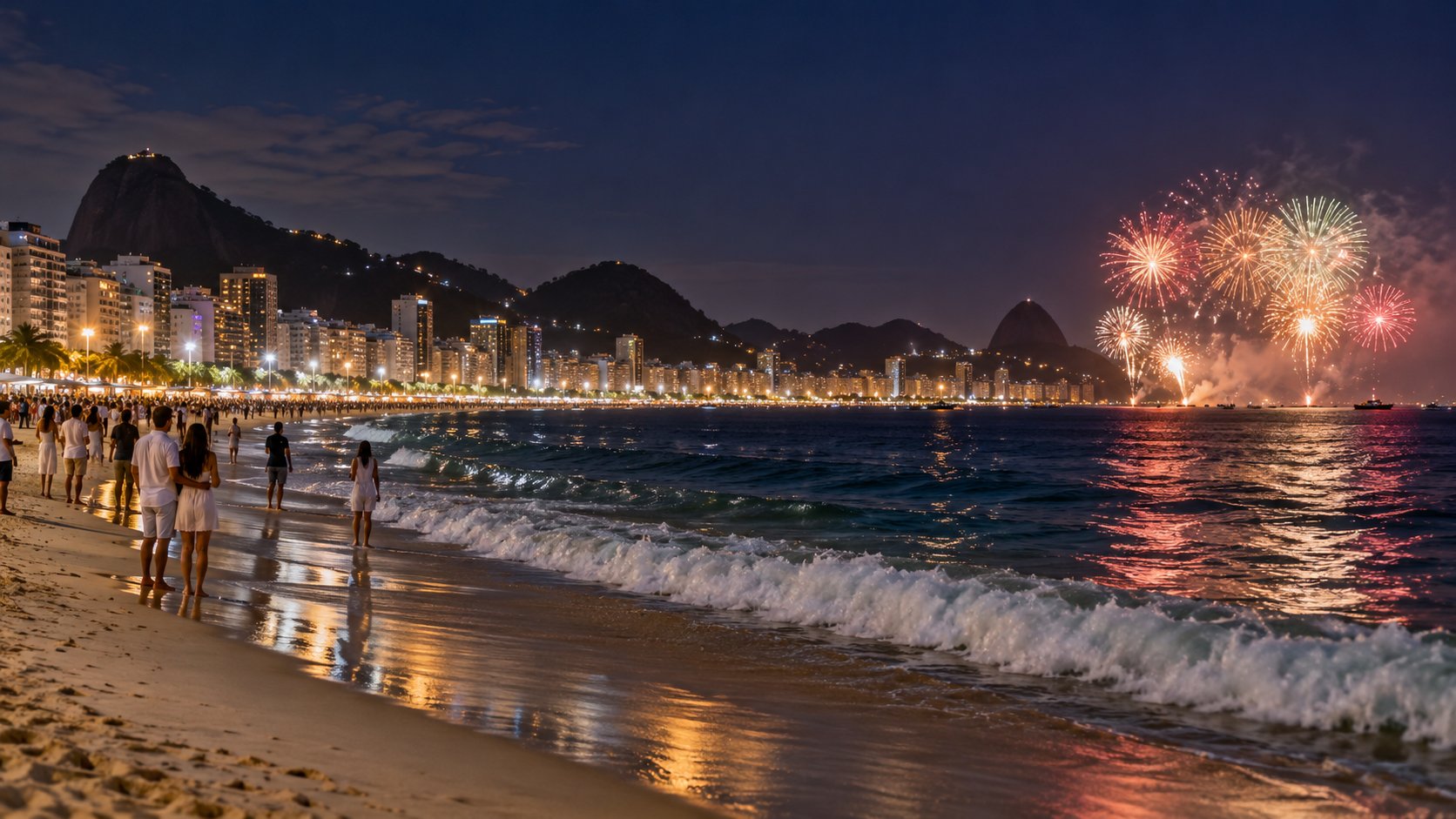
Copacabana is the obvious starting point for a Rio Réveillon plan, but a public beach celebration and a hotel gala are different products. Local reporting distinguishes the free beach gathering from paid parties and says the detailed 2027 public programme remains pending. Riotur’s account of the completed 2026 celebration is useful historical context, not confirmation that the same performers, stages or production will return.
Choose accommodation by the journey you can realistically make after midnight, not only by the daytime view. If considering a hotel party, check whether the ticket includes a seat, dinner, drinks and the terrace you expect to use; ask separately about room access. Wait for the current transport operator’s special-event arrangements before treating an ordinary metro timetable as your return plan. Keep a flexible alternative while the public details develop.
6. Tokyo: make room for a first visit of the year
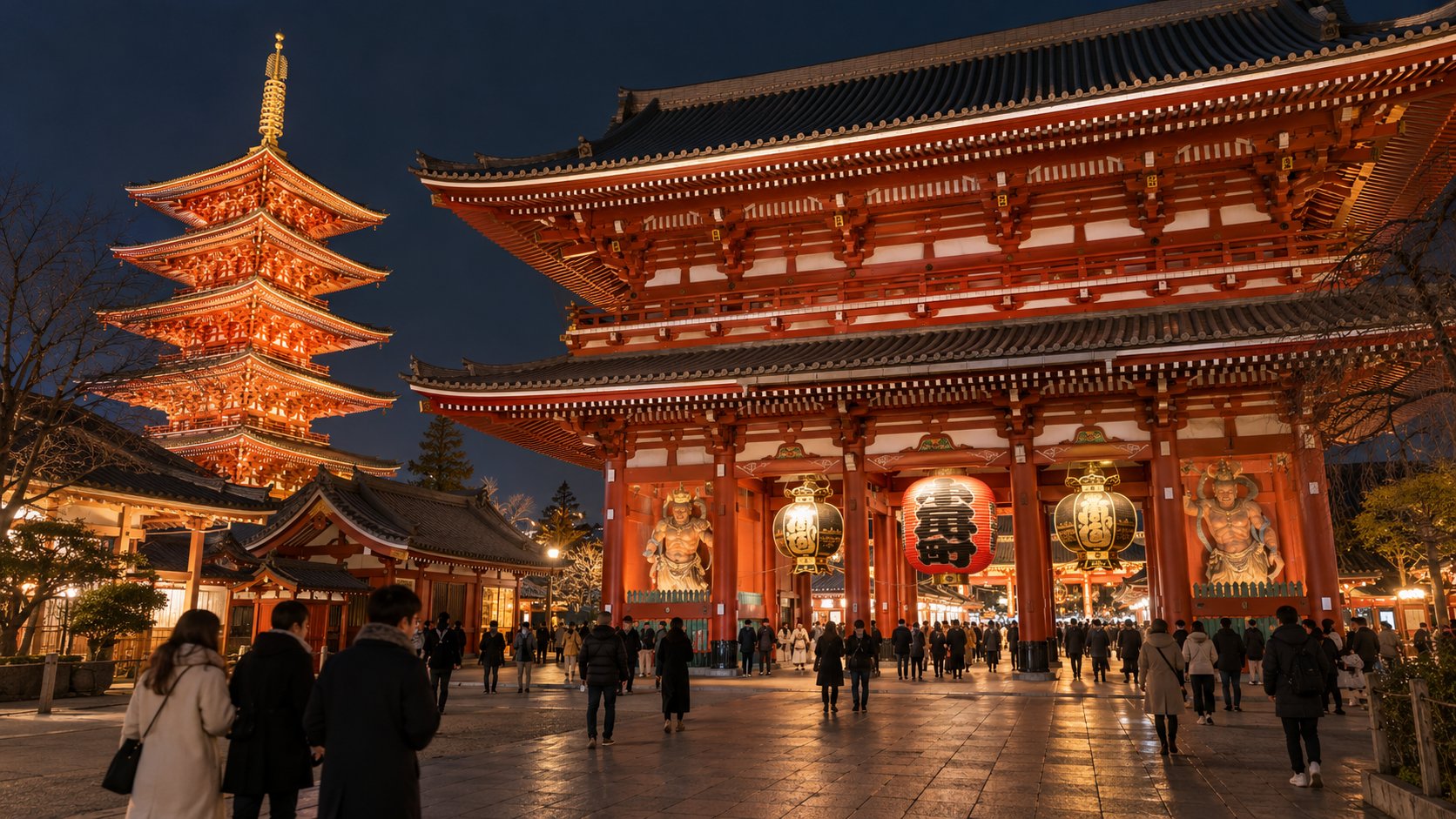
Tokyo can be a good choice if you want a New Year shaped around a cultural visit rather than a street countdown. GO TOKYO explains hatsumode, the first shrine or temple visit of the year, which may happen on New Year’s Eve or later. Its event page currently refers to the completed 2026 edition, so use it to understand the custom, then confirm the chosen venue’s 2027 opening and entry arrangements.
Do not assume that Shibuya will host an organised street party: the city cancelled the previous season’s countdown, and that old notice does not decide the next edition. Pick one shrine or temple, allow time for queues and follow on-site guidance respectfully. Check the relevant railway’s holiday service before planning an overnight journey. A daytime visit on 1 January can also leave the evening free for a quieter meal. Our Tokyo city guide can help you group shrine visits with nearby neighbourhoods.
7. Paris: put the Arc de Triomphe at the centre of the plan
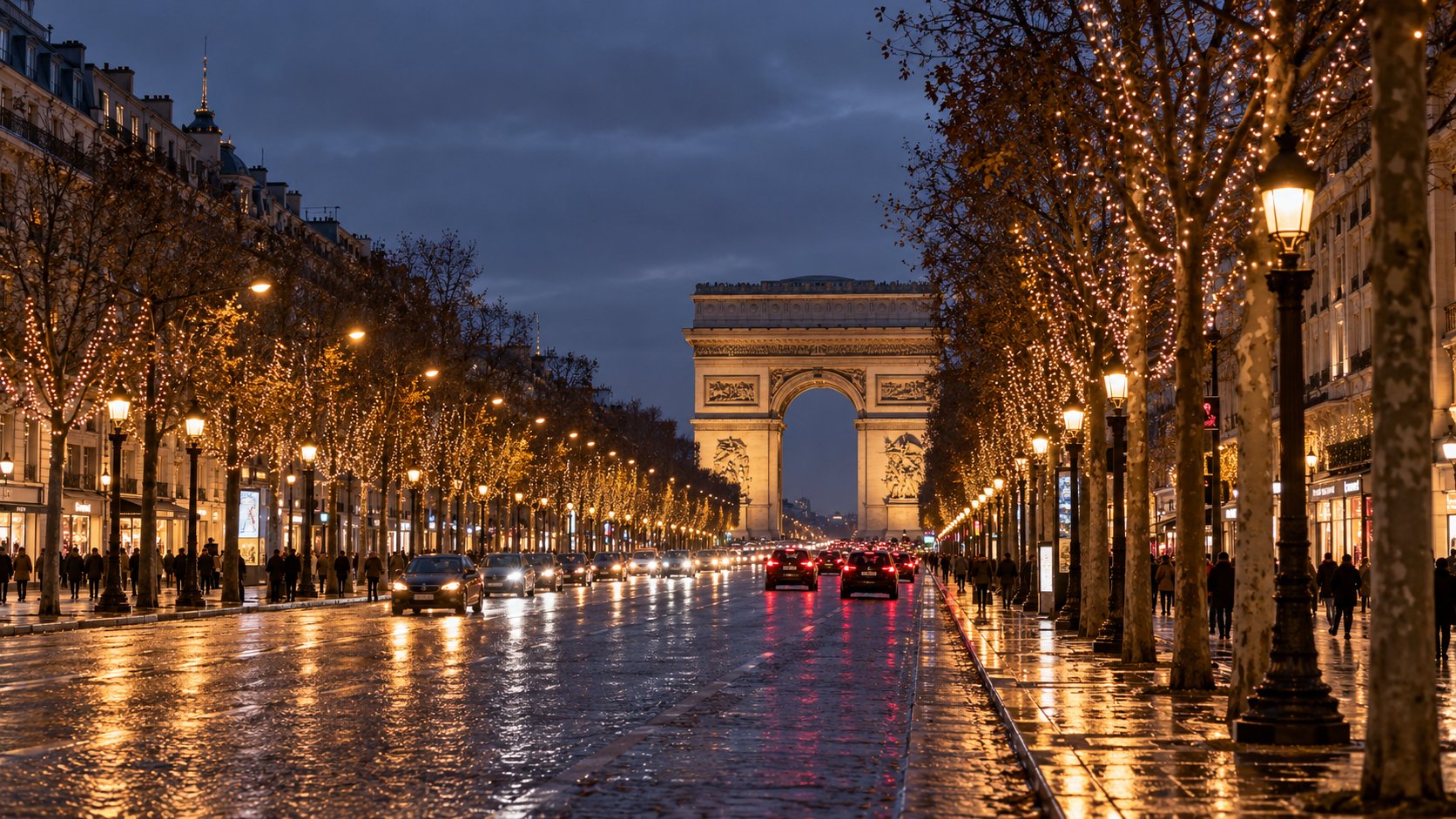
Paris’s tourism office lists the 31 December 2026 celebration on the Champs-Élysées to welcome 2027, with the Arc de Triomphe as the focal point. Avoid building the evening around an assumed Eiffel Tower fireworks show. The city’s New Year imagery is easy to confuse with other celebrations, and a river dinner’s view is not necessarily the view of the public event.
Decide between joining the avenue gathering and booking a separate restaurant, cabaret or cruise. For a paid option, confirm the boarding or entry point, finishing time and whether any advertised spectacle is guaranteed. For the public gathering, review the final access notices and operator transport updates rather than relying on last year’s free-travel claims. Keep your route back simple, with enough room in the schedule for a slow walk out. Use our Paris city guide for the wider stay and our Paris transport guide to compare ways of getting around.
8. Edinburgh: book a sequence of events, not “Hogmanay” in general
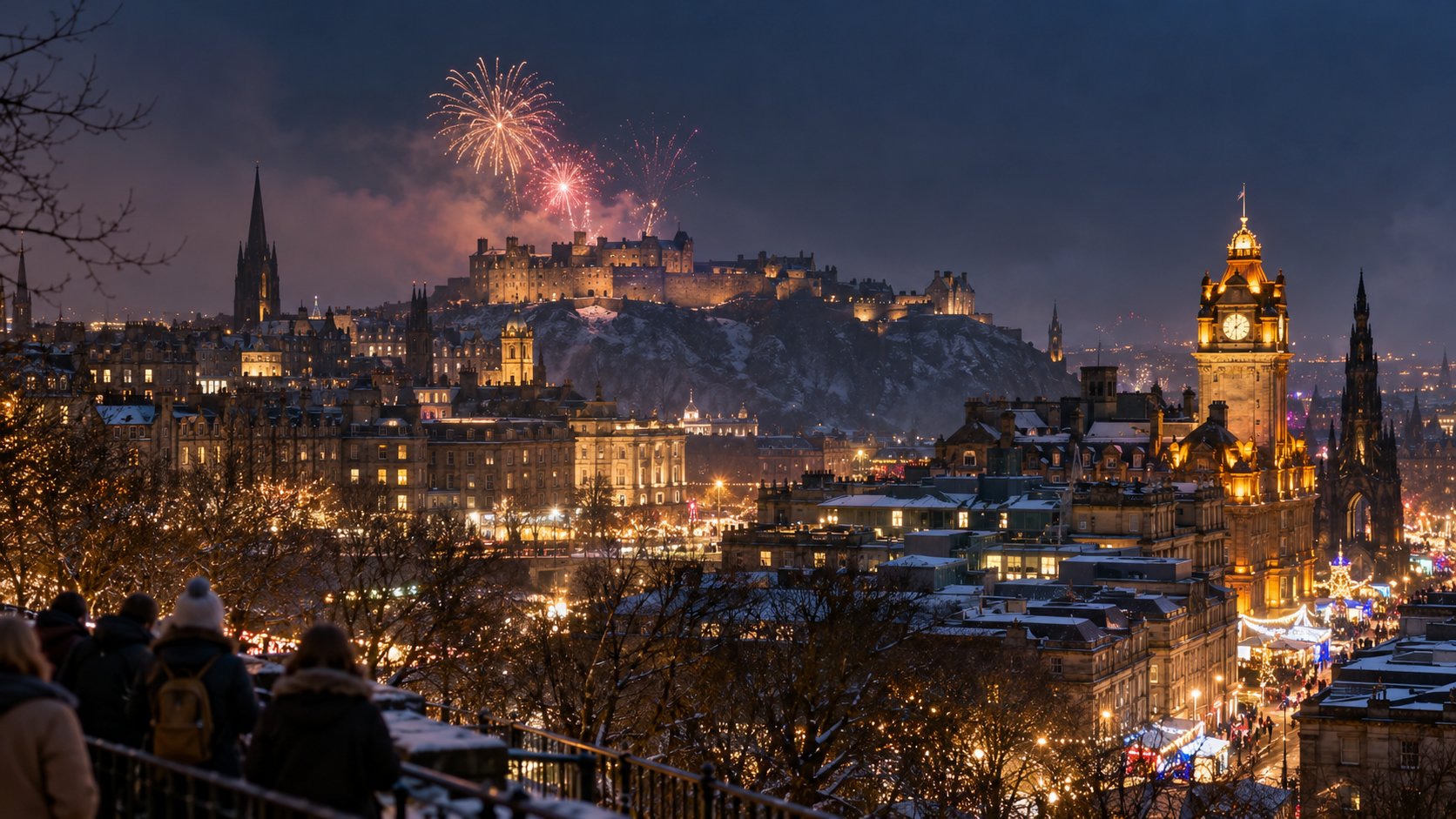
Edinburgh’s official 2026/27 programme runs across four days. It lists the Torchlight Procession on 29 December, the Night Afore Party on 30 December, and the Street Party and Hogmanay in the Gardens on 31 December. The local announcement also describes a broader programme. Decide which dates matter before selecting flights: arriving on the afternoon of New Year’s Eve means missing earlier events.
Treat each event as a separate booking decision. Compare its admission rules, age conditions, accessibility and weather or cancellation terms on the organiser’s own page. A ticket for one evening should not be assumed to cover another. Allow a little breathing room between arrival and your first event, and choose accommodation with a practical return route. The strongest itinerary may be two carefully chosen experiences rather than every available ticket.
Before you book: a short checklist
Confirm the local dates: the evening is 31 December 2026, with the new year beginning on 1 January 2027. Check which year the organiser means.
Read the exact ticket or venue description. Confirm the entrance, viewing area, age rules, accessibility and what the price includes.
Compare the full trip cost: room, event, transfers and any minimum dining spend. Keep cancellation deadlines together.
Plan the return before midnight. Recheck operator notices when special holiday services are published; save the essential details offline.
Agree a meeting point and a simpler backup evening. Revisit the linked sources before departure, because a checked programme can still change.
Choose the city whose evening you would enjoy even if one part of the plan changes. A clear booking, a manageable journey home and time to explore on either side of midnight will usually matter more to your own trip than a headline about crowd size. Keep bookings and daily stops together with Bilig’s AI travel planner.